
From Listeners Club to Emotional Wellness Coaching: Creating Millions of E Wellness Opportunities
NV Paulose, Chairman, Global TV +91 98441 82044
The future of work cannot be built only around software engineers, doctors, accountants, delivery workers, salespeople, and conventional corporate jobs. If we want to create meaningful opportunities for the next generation, we must begin imagining professions that address one of humanity’s most fundamental needs: the need to be heard, understood, guided, and connected to a meaningful future. This is where the idea of a Listeners Club can evolve into a global Emotional Wellness ecosystem.
The proposition is simple but profound: millions of young people could be trained to become professional listeners, emotional wellness coaches, story facilitators, life transition companions, peer support professionals, wellbeing educators, future imagination facilitators and community builders.

From Jobs to Human Possibilities
Today, young people are often told to prepare themselves for the jobs that already exist. This is backwards. We should also ask: What human needs will exist tomorrow? What new professions can we create around those needs? The digital economy has created extraordinary wealth, but it has also created business models that sometimes monetize attention, addiction, loneliness, insecurity, and impulsive behaviour. Young people are forced to find opportunities in industries associated with betting, gambling, addictive gaming, predatory marketing, misinformation, manipulation, cybercrime, hacking, online fraud, scams, exploitation, pornography, clickbait, trolling, and other attention-driven or harmful activities.
The problem is not technology itself. Technology is a tool. The real question is: What kind of human behaviour are we choosing to build businesses around? If millions of people can be employed to capture attention, sell products, manipulate behaviour or exploit vulnerabilities, why can’t millions be employed to strengthen emotional wellbeing, relationships, resilience, purpose and hope? That is the opportunity behind E Wellness.
The Listeners Club: The Beginning
Imagine a young person entering a professional pathway called the Listeners Club. Their first skill is not speaking. It is listening. They learn how to listen without immediately judging, interrupting, correcting or prescribing. They learn how to ask thoughtful questions. They learn how to recognize emotions. They learn how to help another person organise their thoughts. The listener does not pretend to be a psychiatrist or psychologist unless professionally qualified to provide those services. Instead, the listener occupies a different and potentially valuable space: structured human companionship and emotional wellness support. From there, a career ladder can emerge. A beginner could become a trained Listener.

A Listener could progress to an Emotional Wellness Coach. A coach could specialise in areas such as student wellbeing, workplace wellbeing, career transitions, relationships, ageing, parenting, creativity, entrepreneurship, loneliness, retirement or community development. Others could become Story Facilitators, Wellness Program Designers, Peer Support Coordinators, Digital Wellness Educators or Future Vision Coaches. One idea can therefore generate an entire ecosystem of professions.
The Power of Stories
Human beings understand themselves through stories. We tell stories about where we came from, what happened to us, who we are today and what we believe might happen tomorrow. A powerful E Wellness methodology could therefore begin with three questions:
- What is my story of the past?
- What is my story of the present?
- What is the story I want to create for the future?
The first is reflection. The second is awareness. The third is possibility. This approach can transform a conversation from simply discussing problems to exploring identity, strengths, choices, and possibilities.
Instead of asking only, “What is wrong with you?”, the facilitator can ask: “What has helped you survive?” Instead of asking only, “Why did you fail?”, ask: “When did you succeed, even in a small way, and what was different then?” Instead of asking, “What will happen to you?”, ask: “If your future became better than you currently imagine, what would it look like?” This is where Appreciative Inquiry (AI) becomes particularly useful.
Appreciative Inquiry: Finding What Works
Appreciative Inquiry focuses attention on strengths, successes, possibilities and what gives life to individuals and organisations. Its philosophy can be expressed through a powerful shift: Do not begin only with the problem. Begin with the possibility. A young person may say, “I have no skills.” An appreciative approach might ask: “When have you learned something difficult before?” The conversation moves from deficiency to evidence of capability. Someone may say, “Nobody understands me.” The facilitator might ask: “Who has understood you, even for a few minutes, and what did they do differently?” The person begins discovering patterns. This is not about pretending that problems do not exist. It is about refusing to allow problems to become the complete definition of a person.
NLP and the Language of Possibility
NLP, Neuro-Linguistic Programming, can also contribute ideas about how people structure experiences through language, attention, perception, and internal representations. However, many stronger therapeutic claims associated with NLP are not well supported by scientific evidence, so it should be used carefully as a communication and reflection framework rather than as a substitute for evidence-based mental health care. One useful principle is the importance of language.
Compare: “I am a failure.” with: “I experienced a failure.” These sentences create very different identities. The first turns an event into a definition of the person. The second separates the person from the event. Likewise: “My future is finished.” can become: “I cannot currently see a path forward.”
That small linguistic shift creates space for another question: “What would make one possible path visible?” The objective is not positive thinking for its own sake. It is helping people examine the stories they tell themselves and discover whether alternative interpretations and choices are available.
Designing the Future Before It Arrives
The most exciting dimension of E Wellness is future imagination. Young people should not merely be prepared for the future designed by somebody else. They should participate in designing it. Imagine a Story Circle in which ten young people meet with a trained facilitator. Each person tells a three-part story:
- My Past: What shaped me?
- My Present: Where am I now?
- My Future: What kind of person, community and world do I want to help create?
The group listens. Nobody rushes to fix anybody. The facilitator helps participants identify strengths, values, aspirations, and possibilities. At the end, the question becomes: “What is one small action that moves your present toward the future you have imagined?” This is where storytelling becomes employability, wellbeing, and entrepreneurship.
Millions of Careers, Not Millions of Identical Jobs
Creating millions of E Wellness opportunities does not mean creating millions of people with the same job title. It means creating an ecosystem. Consider the possibilities.
- Professional Listeners
- Emotional Wellness Coaches
- Peer-Support Facilitators
- Youth Wellbeing Mentors
- Student Story Facilitators
- Workplace Wellness Coaches
- Career Transition Coaches
- Digital Wellness Educators
- Relationship Communication Facilitators
- Senior-Life Story Coaches
- Parenting Support Facilitators
- Community Wellbeing Coordinators
- Future-Imagination Facilitators
- Storytelling Trainers
- Wellness Content Creators
- E-Wellness Platform Entrepreneurs
- Group Conversation Moderators
- Endurance Educators
- Employee Wellbeing Designers
- Community Circle Leaders
Emotional wellbeing and community building are the two sides of the same coin. A person does not live in isolation, and a healthy community can become one of the most powerful sources of emotional strength, belonging and inspiration. This opens another important dimension of the E Wellness ecosystem: Appreciative Storytelling. Instead of focusing only on problems, failures and deficiencies, communities can identify people who have achieved something meaningful, understand the journey behind their success and celebrate their stories at their hometowns.
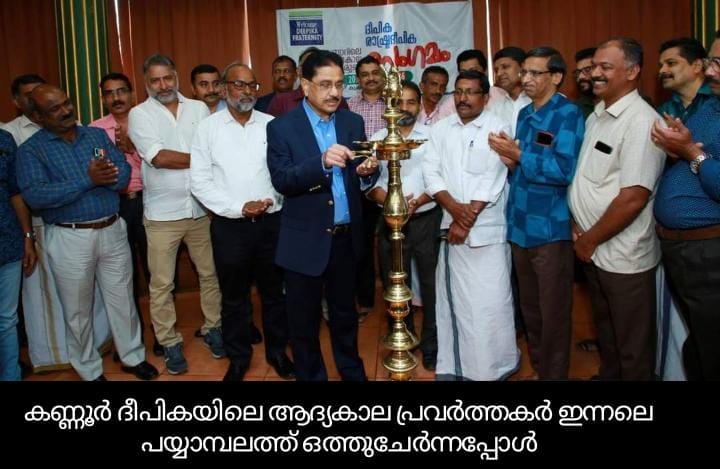
Imagine identifying such individuals and returning to their hometowns to celebrate their achievements with their own communities. Their stories can be recorded, shared and transformed into sources of inspiration for younger generations. The celebration itself becomes an act of community wellbeing because it tells people that their efforts are seen, valued and remembered. Appreciative Storytelling can therefore become much more than storytelling; it can become a profession, a community practice and a social movement. Story collectors, community storytellers, celebration facilitators, local history documentarians, youth interviewers and E Wellness practitioners could all become part of this emerging ecosystem.
By discovering success within communities and bringing those stories back to the people who made them possible, we create a culture in which achievement is not merely measured by money or status, but also by contribution, courage, service, creativity and the positive impact one person can have on others.
Around these professionals, another layer of employment emerges: training institutions, certification bodies, technology platforms, research organisations, publishers, wellness centres, community networks, universities, schools, companies and social enterprises. The result is not merely a collection of jobs. It is a new social infrastructure.
From Coffin Boxes to Living Possibilities
Modern civilisation has become extraordinarily good at accumulating things. We build larger buildings, bigger organisations, bigger databases and bigger financial systems. But a civilisation cannot measure its success only by how much it accumulates. We must also ask:
- How many people feel that their lives matter?
- How many young people can see a future?
- How many people have someone who will genuinely listen to them?
- How many communities can transform loneliness into belonging?
The pyramids of Egypt remind us of an ancient human desire to build something that survives us. But perhaps the greatest monuments of the future will not be made of stone. They will be made of human capability. A young person helped to discover a purpose. A family helped to communicate. A lonely person given a community that hears. A student helped to imagine a future. A worker helped through a transition. A community taught to listen to itself. These are living monuments.
The E Wellness Opportunity
The central idea is therefore bigger than a “Listeners Club.” It is a proposal to create a global career architecture around human possibility. We can train people to listen. We can teach responsible communication. We can combine storytelling with Appreciative Inquiry. We can use carefully selected NLP inspired communication techniques where appropriate. We can use artificial intelligence to help personalise learning, organise stories, identify themes, generate reflective questions and create educational pathways, while keeping human judgement, privacy, ethics and professional boundaries at the centre. And we can build clear referral systems so that serious mental health conditions are directed to qualified healthcare professionals rather than being treated by unqualified coaches.
The destination is not to replace psychology, psychiatry or medicine. It is to build a wider layer of human connection, prevention, education and personal development around them. The future belongs not only to those who can code machines. It also belongs to those who can understand humans. The young people of tomorrow need more than employment. They need meaningful participation in creating the future.
Perhaps the first step is surprisingly simple: Sit together. Listen. Tell the story of where we came from. Understand where we are. Then dare to imagine where we want to go. Because once people can imagine a different future, they can begin to build it. The future of E Wellness may therefore begin with one simple profession: the professional listener. And from millions of listening conversations could emerge millions of new possibilities.


It’s great and perfect article which is apt to this modern world with AI Era Really want to appreciate your initiative of listener wellness coaching as im Darm sure which will give a great impact in this advanced modern life
Wanna part of it .All the best
You are Part of it. Together, we are greater and stronger than being isolated.
Dear Paul
This thought and idea is indeed revolutionary, forward thinking and progressive for connecting the present young generation for laying foundation for a great future ahead. Good luck and all the best for creating a more humane society.
Your article entitled “From Listeners Club to Emotional Wellness Coaching: Creating Millions of E-Wellness Opportunities” is an inspiring piece of writing that provides valuable insights for youngsters, adults, and older adults. It encourages people to make meaningful and fruitful use of their remaining years by engaging in activities that promote health, happiness, and emotional well-being for themselves and those around them.
Best wishes to Global TV for your continued efforts to create awareness and promote emotional wellness in society.